
A cracked porcelain urinal in a busy stadium restroom doesn't just look bad. It becomes a hygiene risk, a liability concern, and a maintenance headache that costs far more than the original fixture. The stainless steel urinal exists precisely because some environments destroy everything else. Yet most buyers still default to ceramic out of habit, without weighing the long-term math on durability, cleaning labor, and replacement cycles.
This guide breaks down exactly what to look for when specifying stainless steel urinals for commercial and institutional restrooms. You'll learn how material grades, mounting styles, and flush systems affect real-world performance, which facility types benefit most, and where stainless steel genuinely outperforms alternatives (and where it might not be necessary).
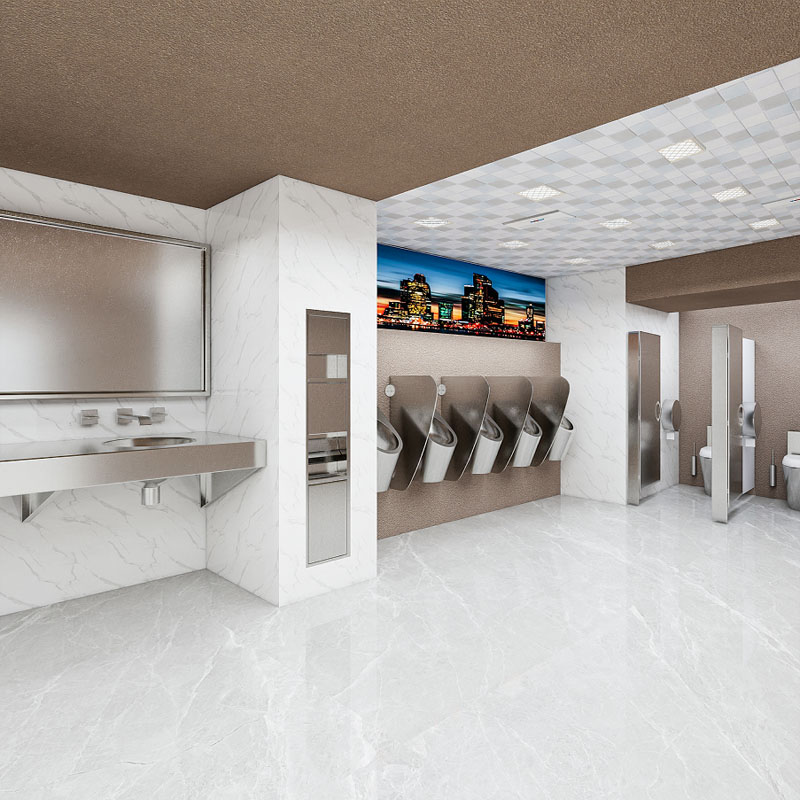
Why Stainless Steel Urinals Outperform in High-Traffic Restrooms
High-traffic restrooms punish weak fixtures. Airports, transit hubs, and sports venues push urinals through thousands of daily uses, and the fixture material determines how quickly that wear becomes visible. Stainless steel resists impact, corrosion, and bacterial growth in ways that ceramic simply cannot match at scale.
The core advantage is structural. A porcelain urinal can crack from a single hard impact. Stainless steel absorbs that energy without fracturing, which is why facilities dealing with vandalism or heavy public use gravitate toward it. The non-porous surface also means urine and cleaning chemicals don't seep into micro-cracks over time, a common problem with glazed ceramic that leads to persistent odor.
Lifecycle Cost Advantage Over Ceramic
The upfront price of a stainless steel unit typically runs higher than porcelain. That gap closes fast when you factor in replacement frequency. A single ceramic urinal replacement in a public restroom, including labor, plumbing downtime, and disposal, often exceeds the price difference between materials at purchase.
Facilities that track total cost of ownership over a 10- to 15-year window consistently find stainless steel cheaper. Fewer replacements, lower cleaning chemical costs, and reduced maintenance calls add up. For organizations managing dozens or hundreds of restrooms, the savings compound significantly.
How to Choose the Right Commercial Stainless Urinal
Specification decisions should follow the facility, not the other way around. Start with three questions: How many people use this restroom daily? What's the vandalism risk? And who handles cleaning?
Material Grade and Gauge Thickness
Grade 304 stainless steel is the standard for commercial urinals. It offers strong corrosion resistance against urine and most cleaning agents. Grade 316 provides additional protection in coastal or chemically aggressive environments, but the added cost rarely justifies itself for typical indoor restrooms.
Gauge thickness matters more than most buyers realize. A 16-gauge unit handles heavy abuse in correctional facilities and public parks. An 18-gauge unit works fine for office buildings and schools. Going thinner than 18-gauge introduces dent risk in any setting with unsupervised public access.
Hygienic Urinal Features That Cut Cleaning Time
Hygiene in a commercial restroom comes down to surfaces and touchpoints. Stainless steel addresses both.
Seamless construction eliminates joints and crevices where bacteria collect. Unlike porcelain urinals with separate mounting brackets and exposed seams, a well-made stainless steel urinal forms a single pressed unit. This means janitorial staff can wipe down the entire surface in one motion rather than scrubbing grout lines or bracket edges.
Sensor Flush and Touchless Operation
Touchless flush systems remove the most contaminated contact point in any restroom. Infrared sensors activate the flush cycle after the user steps away, and modern units calibrate water volume based on usage duration.
Anti-splash geometry is another underappreciated feature. Properly designed stainless steel urinals angle the basin and include textured zones that break liquid surface tension on contact. The result is less splashback on floors and walls, which directly reduces cleaning frequency. If you're exploring options for customizing your stainless steel urinal for a commercial restroom, splash reduction geometry should be high on the specification list.
Best Facility Applications for Stainless Steel Urinal Installations
Not every building justifies the investment. Here's where stainless steel earns its place, and where you might reconsider.
Correctional facilities: Non-negotiable. Porcelain becomes a weapon when broken. Stainless steel with chase-mounted plumbing is the only responsible choice.
Public parks and recreation: Outdoor restrooms face weather, vandalism, and infrequent maintenance. Heavy-gauge stainless steel handles all three.
Schools and universities: Moderate vandalism risk combined with high daily traffic makes stainless steel a strong fit, especially in secondary schools. For more detail, consider how stainless steel urinals are ideal for schools.
Transit hubs and airports: Volume and hygiene expectations both run high. Sensor-flush stainless units meet both demands.
Corporate offices: Honestly, porcelain works fine here. Vandalism risk is low, traffic is moderate, and aesthetics often favor ceramic. Unless the design brief specifically calls for an industrial look, stainless steel may be overkill for a private office restroom.
Kuge specializes in stainless steel sanitary ware for exactly these demanding environments. Their product lines address the full range of commercial and institutional needs, from individual wall-mounted units to custom configurations for large-scale projects. When your facility faces real durability and hygiene challenges, working with a manufacturer that understands those constraints saves time during specification and installation.
