In an era focused on sustainability and water conservation, the waterless urinal presents a compelling case. The technology is proven, offering significant reductions in water usage and maintenance costs. Yet, despite these advantages, their adoption remains surprisingly limited. A key factor in this slow uptake, ironically, may lie not in the core technology itself, but in the material often used for the fixture: the stainless steel urinal.
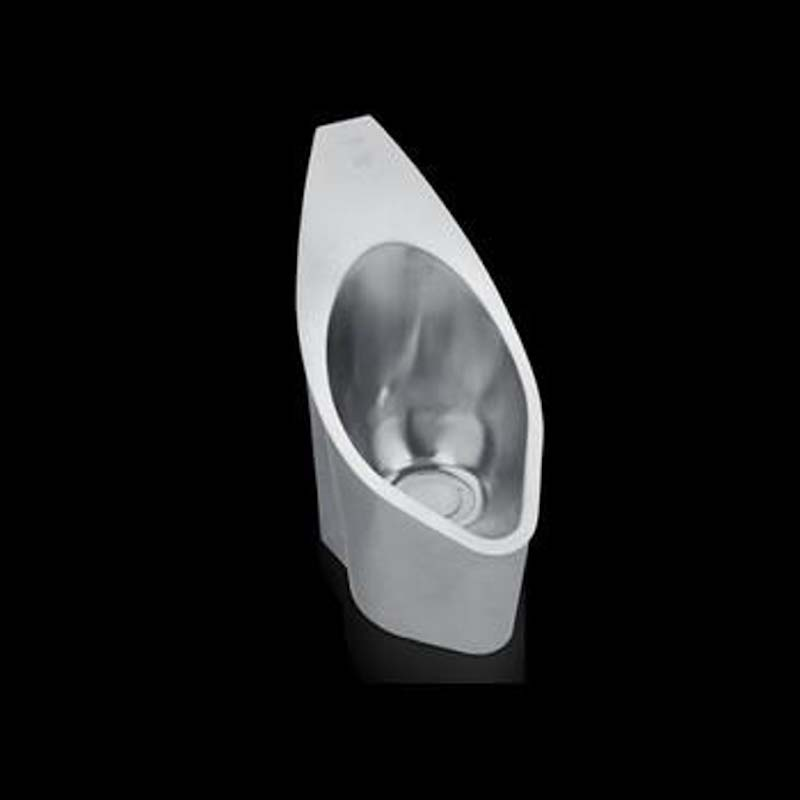
Let's delve into the primary reasons behind the hesitant adoption of waterless systems and explore why the specific choice of a stainless steel urinal can be both a blessing and a curse for this technology.
1. The "Hygiene Hurdle" and Misconceptions
The most significant barrier is the perception of hygiene. For decades, people have associated flushing with cleanliness. The absence of that familiar flush in a waterless urinal can create an immediate, if misguided, assumption that the fixture is unsanitary.
Odor Concerns: The biggest fear is odor. Traditional waterless urinal designs rely on a sealing liquid and cartridge system that traps odors below the drain. If this cartridge is not replaced regularly or correctly, odors can escape. This places a higher burden on maintenance staff, and any lapse becomes immediately noticeable.
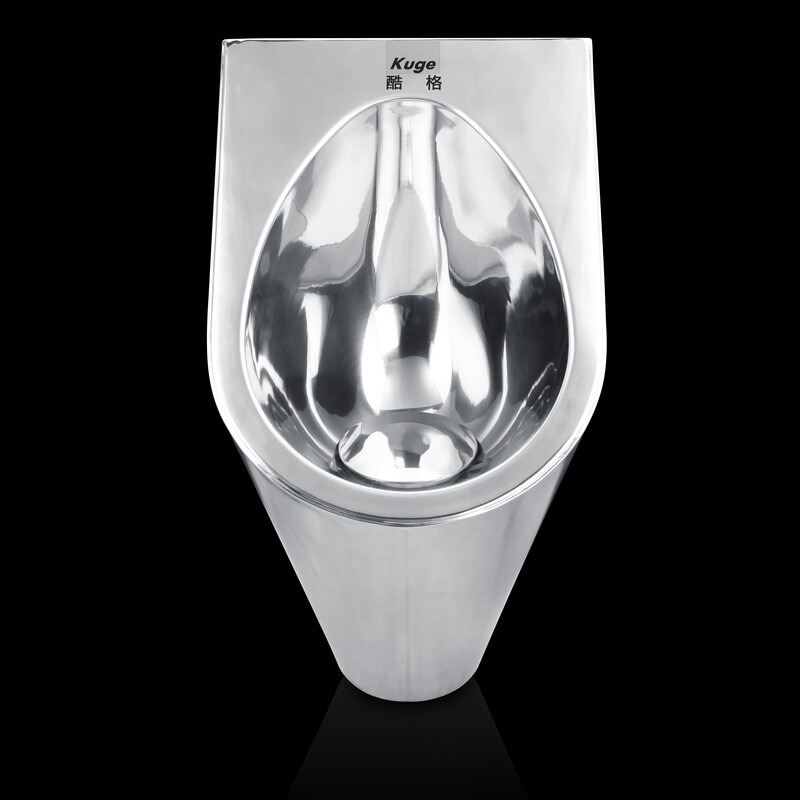
Visual Stigma: Without a constant water flow to "rinse" the bowl, users may perceive the fixture as dirty. This is where the material becomes critical. A stainless steel urinal bowl, with its highly reflective surface, can make every droplet and minor residue glaringly obvious. While easily wiped clean, the initial visual impression can be negative compared to the more forgiving, often colored, surfaces of porcelain fixtures.
2. The Upfront Cost and Maintenance Paradigm Shift
While a waterless urinal saves money on water bills and reduces the need for flush valve repairs, its initial installation cost is typically higher.
Specialized Components: The need for specific cartridges, sealant liquids, and sometimes specialized plumbing adds to the upfront investment.
3. Building Codes and Plumbing Standards
In many regions, plumbing codes were written with water-based sanitation in mind. The introduction of waterless urinal fixtures has sometimes met with resistance from local inspectors or code committees unfamiliar with the technology. While this is changing, the process of getting approval for installation can be more cumbersome than for a traditional, water-flushed stainless urinal bowl.
The Material Specifics: The Role of the Stainless Steel Urinal
Now, let's focus on the material you specified. The use of a stainless urinal in a waterless system presents a unique set of advantages and challenges that contribute to its niche status.
Advantages of a Stainless Urinal:
Durability: A urinal stainless is virtually indestructible. It is highly resistant to impact, vandalism, and chemical corrosion from harsh cleaning agents, making it ideal for high-traffic public restrooms.
Hygiene (When Clean): The non-porous surface of a urinal stainless unit prevents the absorption of bacteria and odors, a theoretical hygiene advantage over porous materials like porcelain.
Disadvantages in a Waterless Context:
Aesthetic Perception: As mentioned, the shiny surface of a stainless steel urinal bowl can be less forgiving. In a waterless system, any imperfection or residue is highlighted, potentially reinforcing the "unclean" stereotype.
Cost: A high-quality stainless urinal is often more expensive to manufacture than a standard porcelain model. When combined with the additional cost of the waterless mechanism, the total price tag can be prohibitive for some projects.
Conclusion: A Niche Solution with Growing Potential
The waterless urinal, particularly one built with a durable urinal stainless body, is not a failing technology, but rather a specialized one. Its rare usage stems from a perfect storm of ingrained user habits, perceived hygiene issues, upfront costs, and regulatory hurdles.
However, the trend is slowly shifting. As water scarcity becomes a more pressing global issue and building codes modernize, the economic and environmental calculus becomes harder to ignore. For forward-thinking architects and facilities managers planning for high-traffic, durable installations—such as in airports, stadiums, or schools—the combination of a robust stainless steel urinal with waterless technology represents a smart, long-term investment. The key to wider adoption lies in better public education, improved and more user-friendly cartridge designs, and a greater emphasis on the proven lifecycle cost savings over the initial sticker price.
